
Pelješac wine tour from Dubrovnik, Ston walls & oyster tasting (6h).
The Ston walls, the Ston salt pans and the Pelješac wine region.
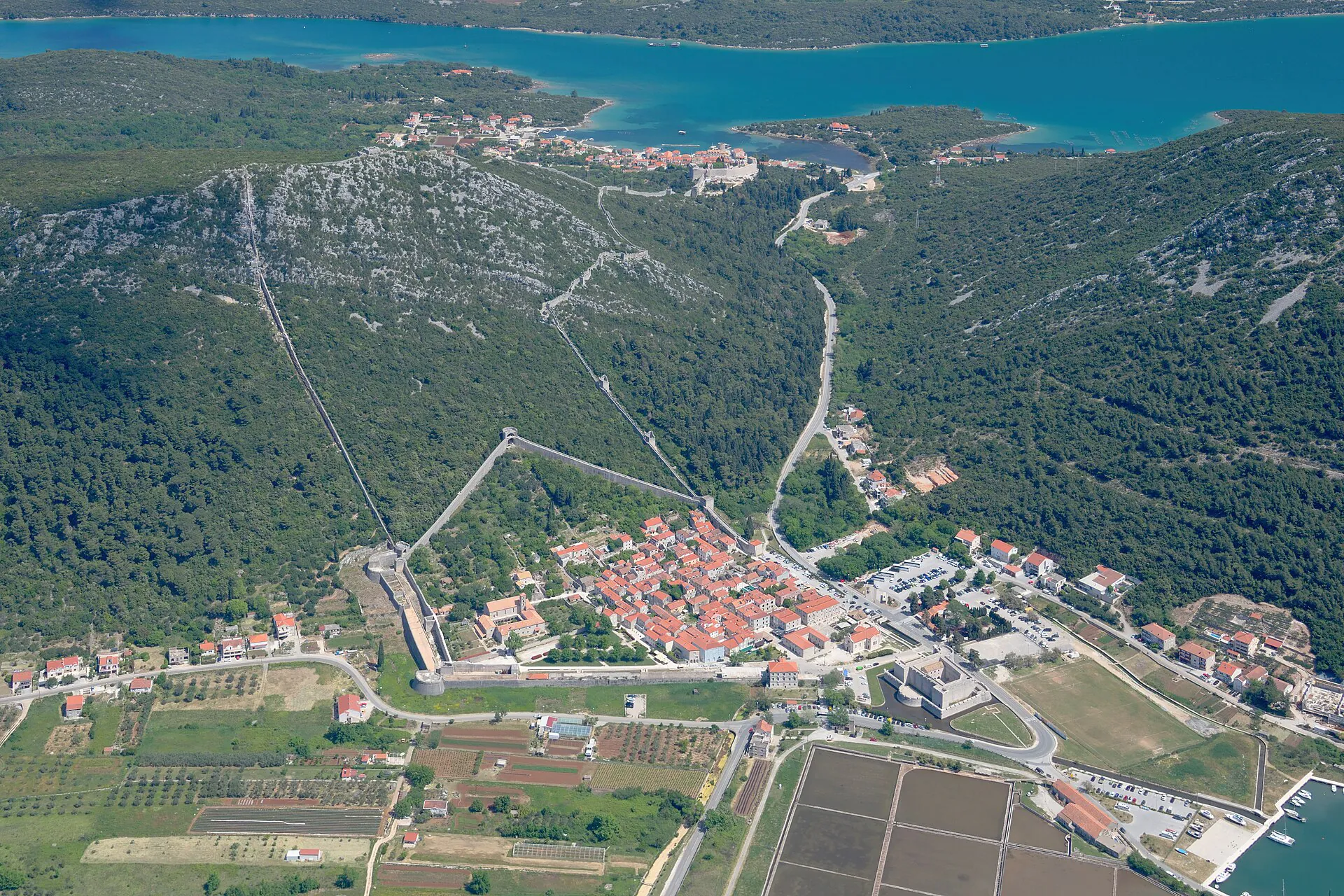
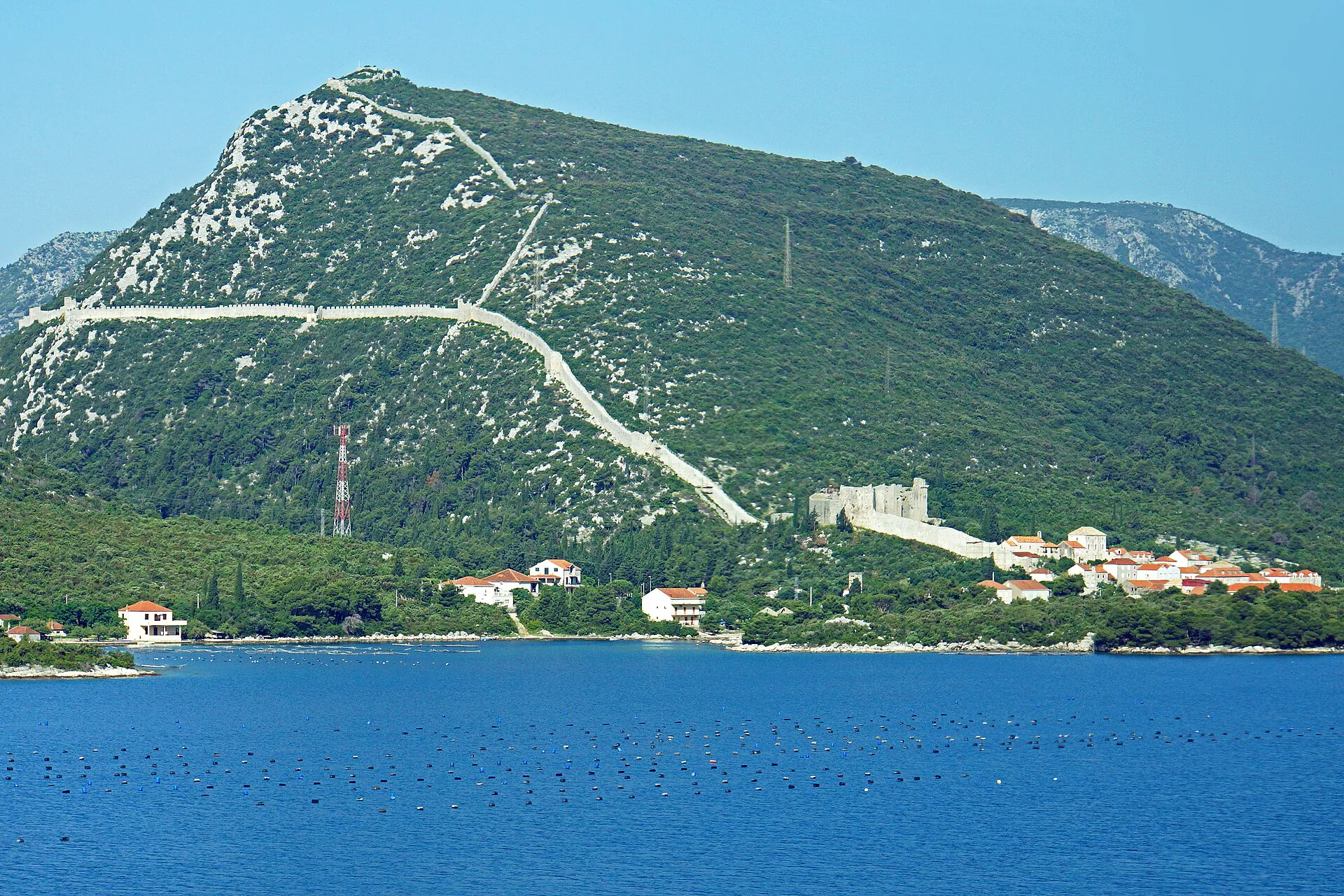
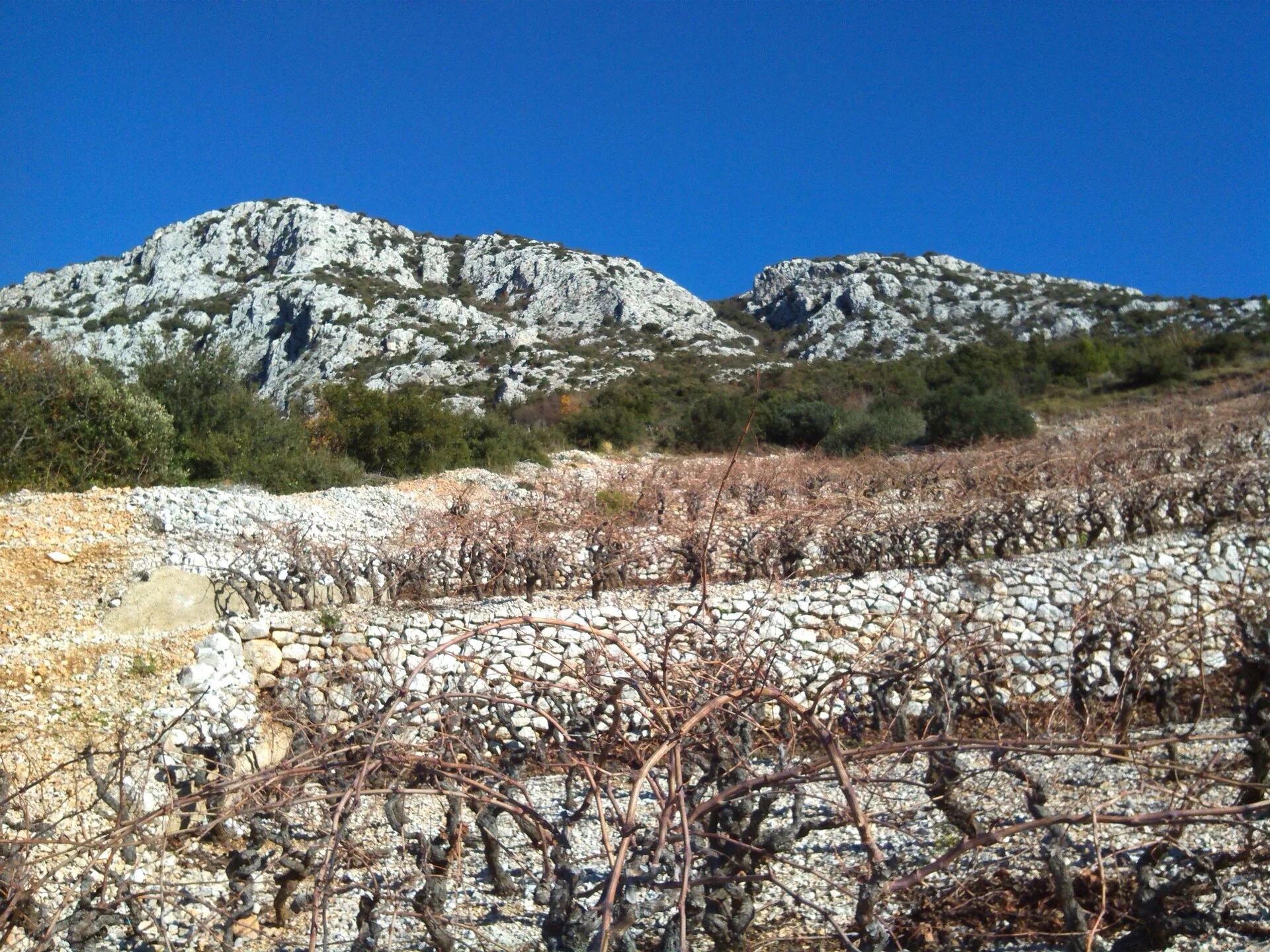
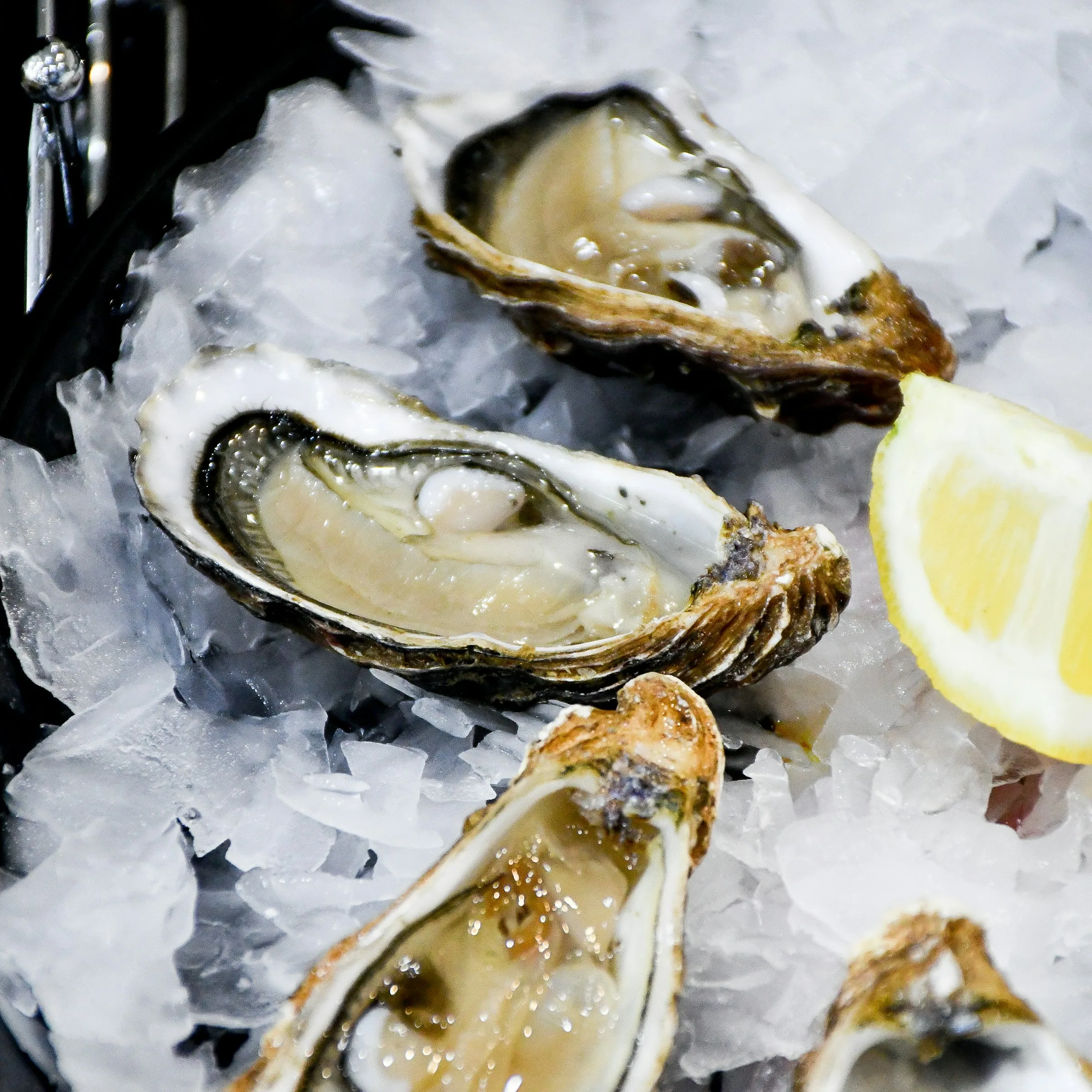
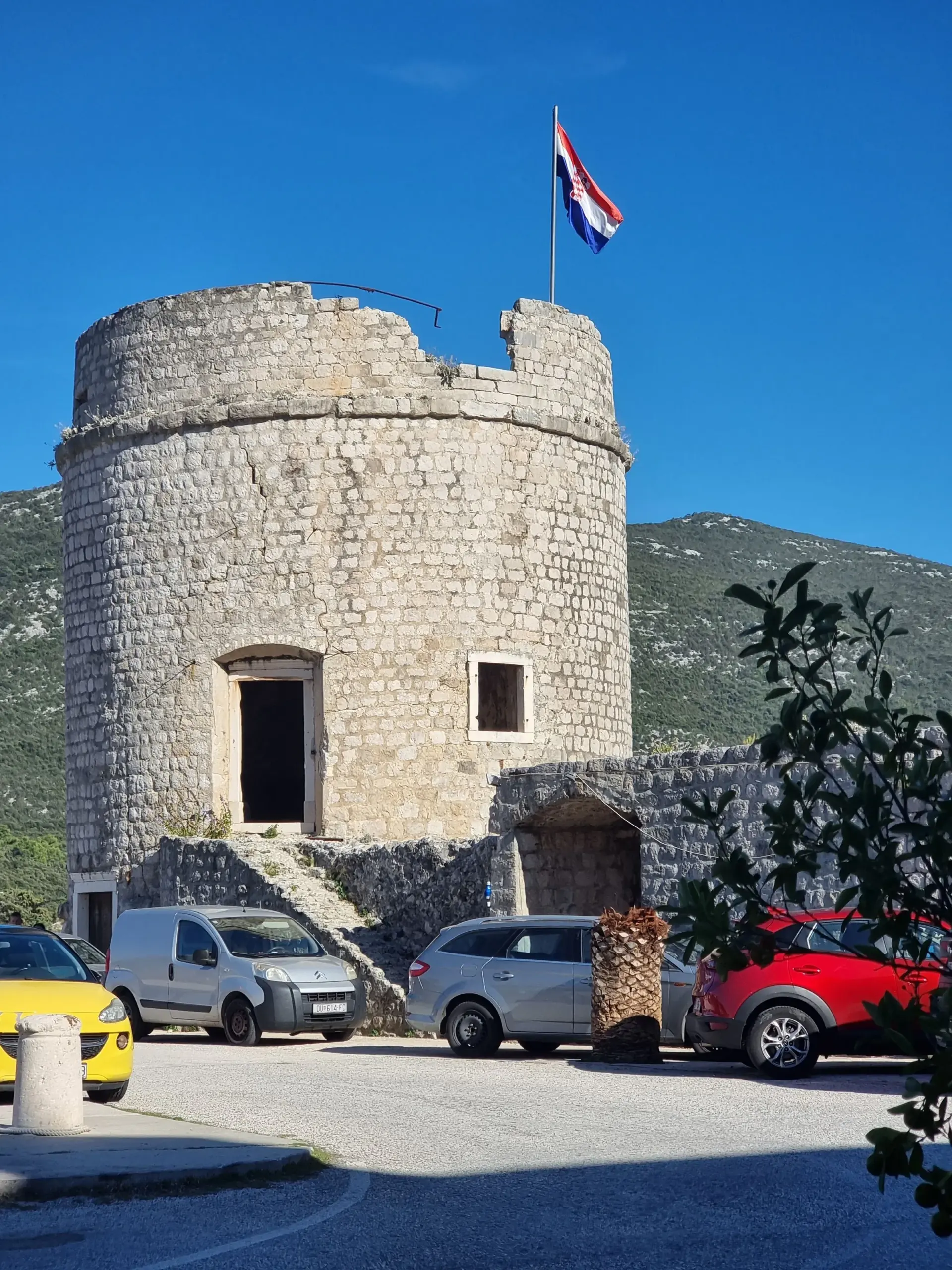
This tour starts at the Ston walls, 5.5 km of 14th-century fortifications built to protect the salt pans. From there we go to Mali Ston for an oyster tasting at a working oyster farm, then continue along the peninsula to the Dingač vineyards and two wineries.
Tip. Ston oysters are at their best from October to May, but are served all year.
The route, stop by stop.
Indicative route. Every trip is private, so you can swap, skip or add a stop.
Hotel pickup
Mercedes at your accommodation. Brief route walk-through and any preferences for tastings.
- 1
Ston & Mali Ston
Ston walls. Twenty-minute climb on the fortifications, looking down on the salt pans and the bay. The salt shop at the top sells the hand-harvested product.
Mali Ston, oyster tasting. Six oysters from the bay, a glass of Pošip and homemade rakija at a working oyster farm.
- 2
Pelješac wineries
First winery, context tasting. A larger producer for the full Pelješac picture. Five wines, including Plavac Mali and Dingač.
Second winery, family grower. A small estate where the winemaker pours personally. One or two whites, two reds, and time to wander the cellar.
Drive back
Coastal road back to Dubrovnik with one last viewpoint over Mali Ston Bay.
Pelješac wine tour from Dubrovnik: the route
This Pelješac wine tour from Dubrovnik starts with about an hour on the coast road north to Ston. No bridge is needed: Pelješac joins the mainland at Ston, and the Pelješac bridge, which opened in 2022, crosses to the peninsula much further north. From Ston the road runs west along the spine of the peninsula to the wine villages around Potomje.
The Dingač vineyards lie on the steep southern side of the hill, facing the sea. Until 1973 growers reached them on foot or by donkey over the ridge; that year they dug a tunnel of about 400 metres through the hill, which is still the way in.
Ston, salt and oysters
Ston became part of the Republic of Dubrovnik in 1333, and its salt was one of the Republic's main sources of income. The salt pans are among the oldest still worked in Europe, and the harvest is still done by hand, mostly in late summer.
Mali Ston Bay suits shellfish because fresh water from the Neretva and underwater springs mixes with the sea, which keeps the bay rich in plankton. The local flat oyster is the native European species, not the Pacific oyster farmed in most of the world.
Pelješac wine in brief
- Plavac Mali is the main red grape. DNA studies traced it to a cross of Crljenak Kaštelanski, the grape known in California as Zinfandel, and Dobričić.
- Dingač became the first protected wine origin in the former Yugoslavia in 1961. Postup, its neighbour along the coast, followed soon after.
- Pošip is the white you will meet most often.
Useful to know
- Eat a proper breakfast; the tastings start in the late morning.
- Flat shoes for the Ston walls, where some steps are steep and uneven.
- No border on the route, so your usual ID is enough.
It leaves the afternoon free. For Korčula as well, see the Korčula day trip by car; for a shorter outing close to Dubrovnik, the Cavtat and Konavle tour. You can also reach the peninsula by sea with a boat transfer to Pelješac. Prices are on request, with an itemised quote by email or WhatsApp.
Questions about Ston & Pelješac.
All FAQsWhere can you taste oysters near Dubrovnik?
What wine is Pelješac famous for?
Can you walk the Ston walls?
Is the wine tasting included?
Will I be over the limit to drive after?
Can I buy wine to take home?
Is this trip suitable for non-drinkers?
Other private day trips.

Mostar & Međugorje
Ottoman Mostar and the Marian pilgrimage site of Međugorje.
View the tour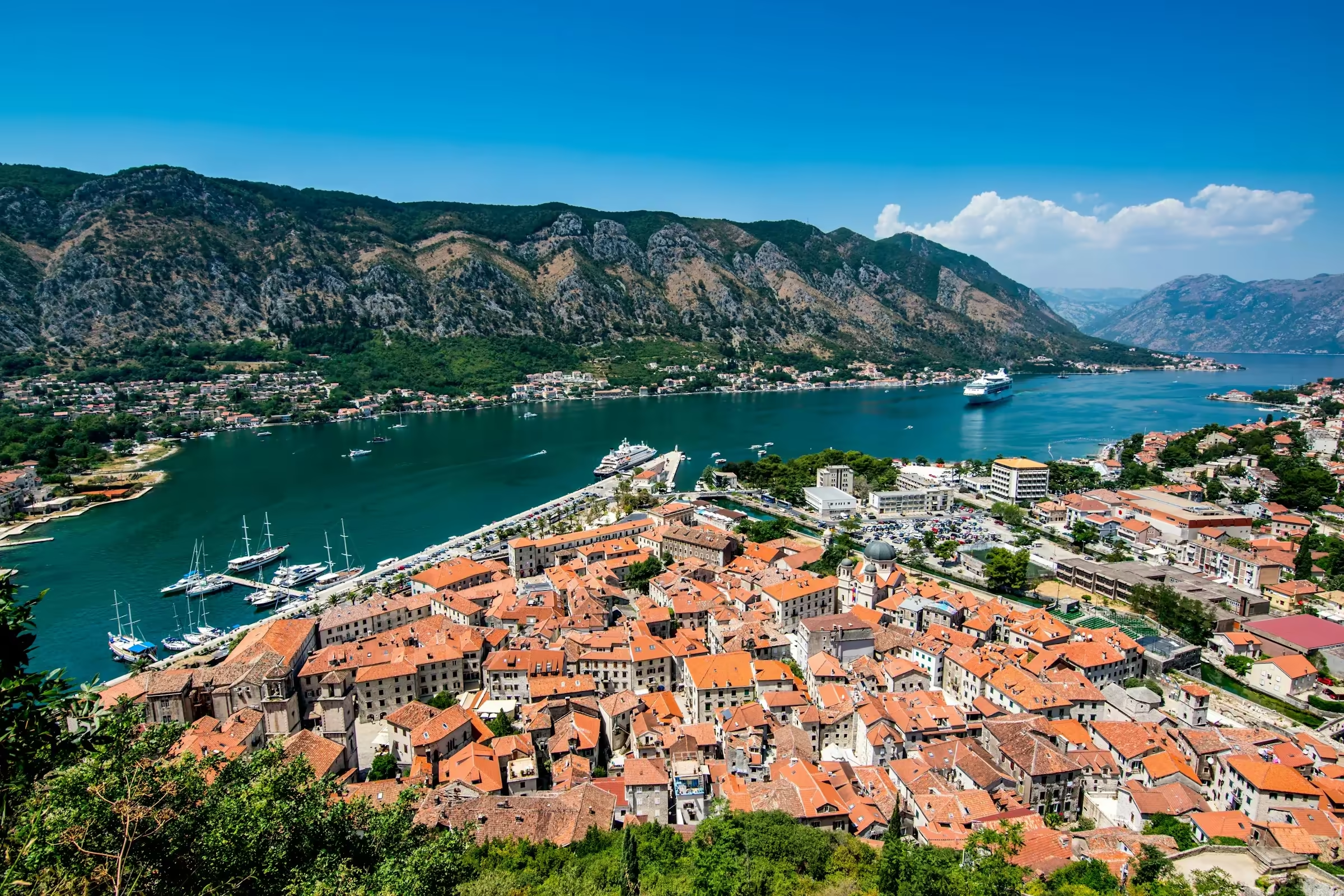
Montenegro & Kotor
UNESCO Kotor, baroque Perast and the Bay, our most popular full-day trip.
View the tour
Mostar & Kravice Waterfalls
The Old Bridge over the Neretva and a swim beneath the Kravice falls.
View the tourEnquire about Ston & Pelješac.
Tell us your date and group, one reply from the team with a tailored plan and an itemised quote. Door-to-door from your hotel, no obligation.
